
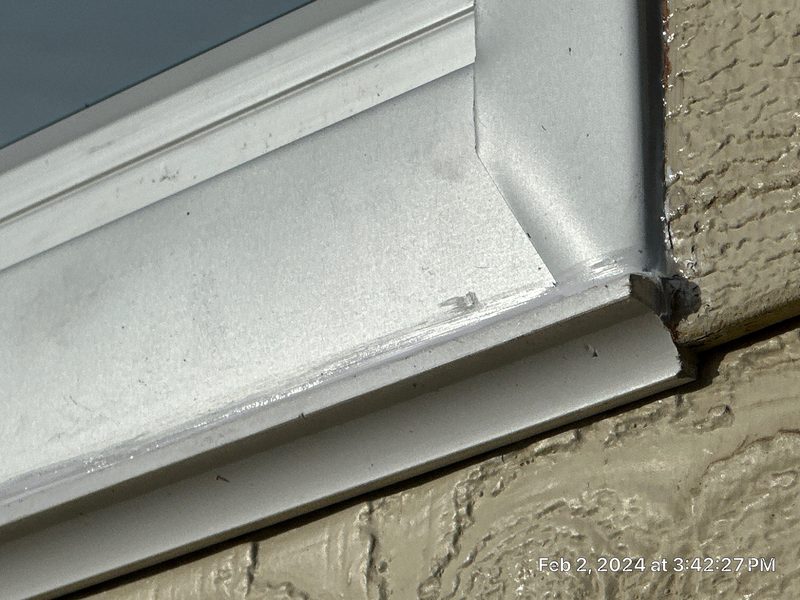




Why Sealant Alone Fails
Most window installers rely on a bead of caulk between the window frame and the wall. That's it. In Calgary, that sealant faces freeze-thaw cycles that swing 30°C in a single day. When it cracks — and it will — water enters your wall system with no backup plan.
SAWDAC-certified installation uses a multi-layer approach: the Foam Method for air sealing, proper drainage paths, and membrane flashing where needed.
- Just caulk
- Cracks in 3–5 years
- Water enters wall
- Hidden rot
- Foam Method + drainage + membrane
- Water managed for decades
The Foam Method — CSA-A440.4-07
How the Foam Method Works: A step-by-step technical process approved by CSA and SAWDAC standards.
Prepare the Gap
- • Clean, accessible rough opening
- • Remove old insulation or paper
- • CSA tolerances: 9.5–19mm jambs, 12.5–22mm head/sill
Two-Bead Foam
- • One bead exterior face
- • One bead interior face
- • ~25mm depth each
- • Achieves R12 insulation
Cure & Trim
- • Allow foam to fully expand
- • Cold weather: adjusted timing
- • Materials kept warm in winter
- • Trim excess, seal shims
Exterior Seal
- • Sealant between frame & cladding
- • Backer rod support per NBCC
- • Continuous, no gaps
- • Nail flange drainage gaps
When Sub-Sill Flashing is Needed
NBCC requires flashing between window/door underside and wall below IF sill is not "self-flashing". Rain runs off windows over the sill — even small sealant defects allow substantial water entry.
CSA-A440.4-07 specifies when flashing is required based on moisture index zones. Calgary's climate (dry prairie, cold winters) has moderate exposure.
For doors especially: leakage through mulled joints and loose capping can cause extensive damage to rim joists and floor structure below.
Flashing on Every Door & High-Exposure Windows
On every door installation and on windows where wall drainage is compromised, we install sub-sill membrane flashing with proper end dams and slope to drain — because it's easier to prevent water damage than to fix it after the fact.
Calgary's Freeze-Thaw Challenge
Temperature Swings
Calgary regularly swings 30°C+ in one day. Sealants expand and contract, developing micro-cracks that allow water in.
Chinook Cycles
Warm chinook winds melt snow and ice on building exteriors, driving water into any gap. Then it refreezes overnight, expanding and widening gaps.
Dry Air, Wet Walls
Calgary is dry overall, but moisture that enters walls in winter can't dry out until spring. Months of trapped moisture = rot and mold.
Waterproofing Checklist
Use this checklist to verify your installer is following proper waterproofing practices. Your progress is saved locally.
Exterior Seal
Foam Method (RO Gap)
Drainage
What Proper Waterproofing Looks Like
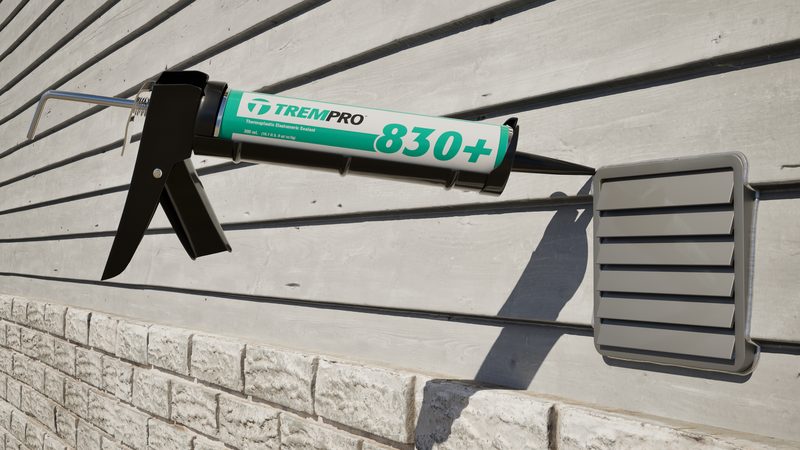
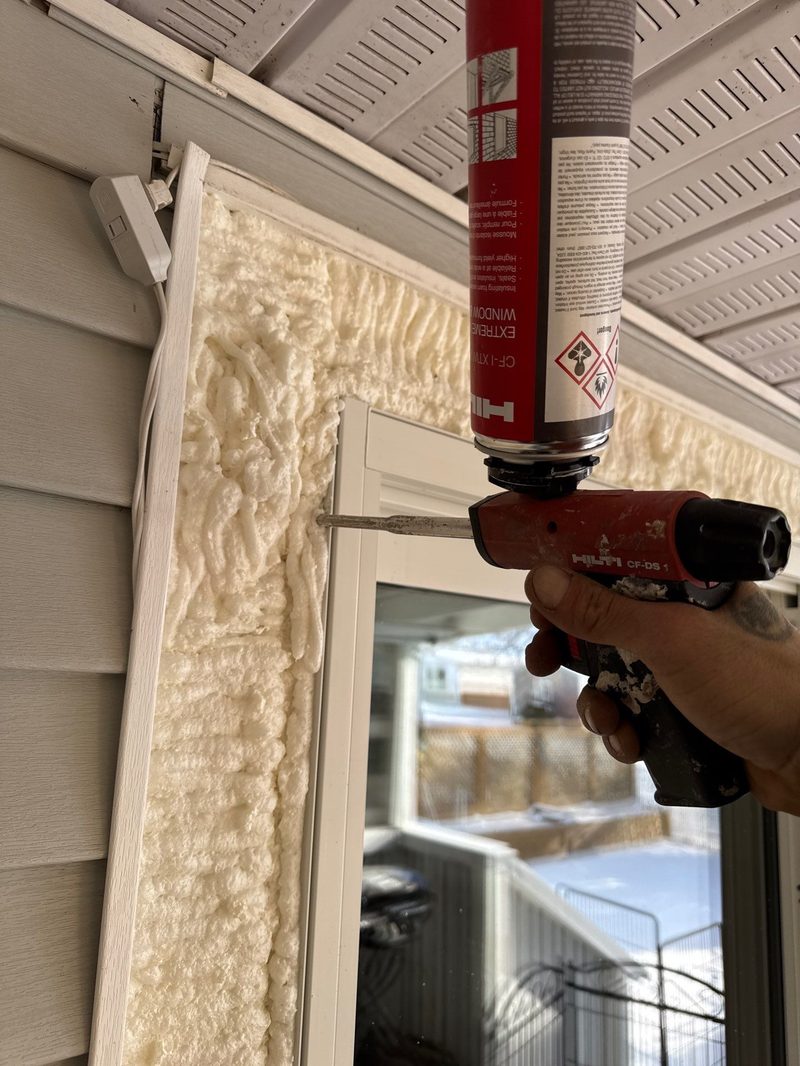
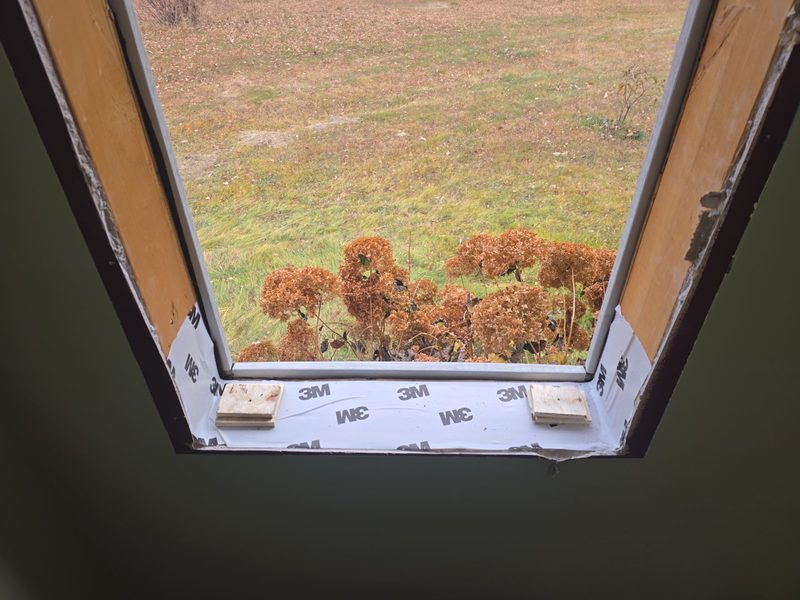
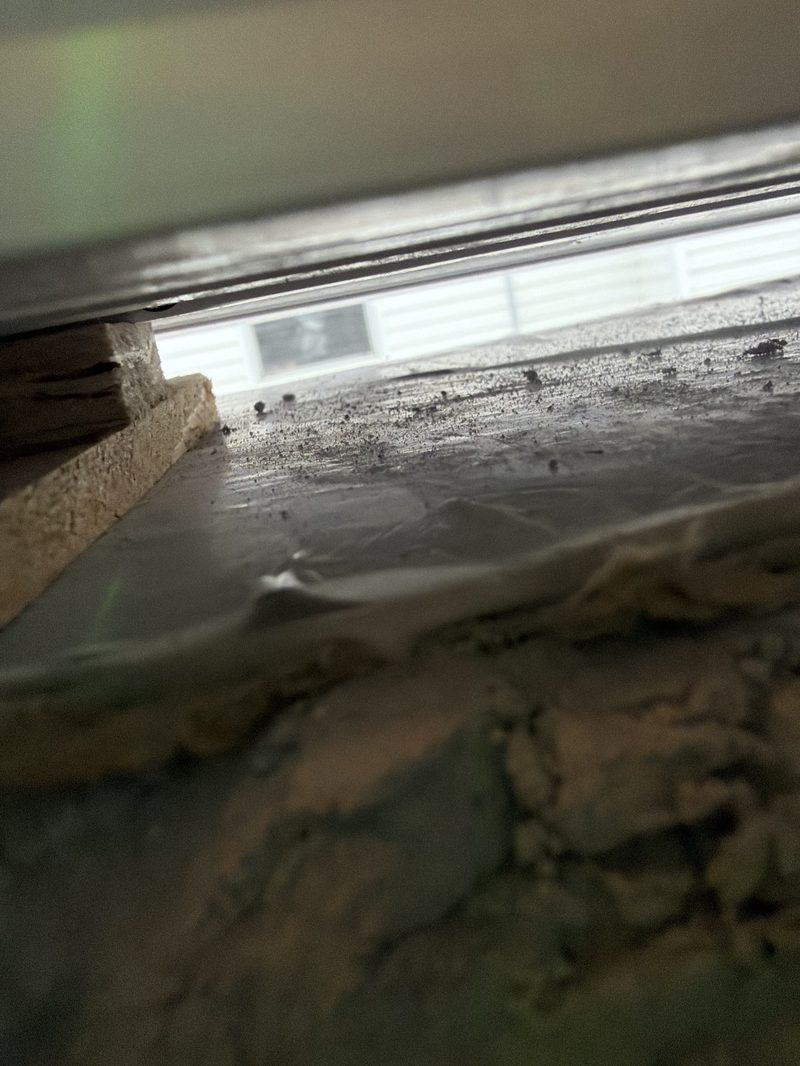
Water finds every shortcut.
If your last installer just caulked around the frame and called it done, there's a good chance water is already in your walls. We build waterproofing systems — not band-aids.